My Therapy Toolkit: What We Use and Why
Physiotherapy is a lifetime commitment in our house. Here's everything in our toolkit (CIMT, DMI, FES, kinesio tape, Botox, intensive courses and more) and what each one actually does.

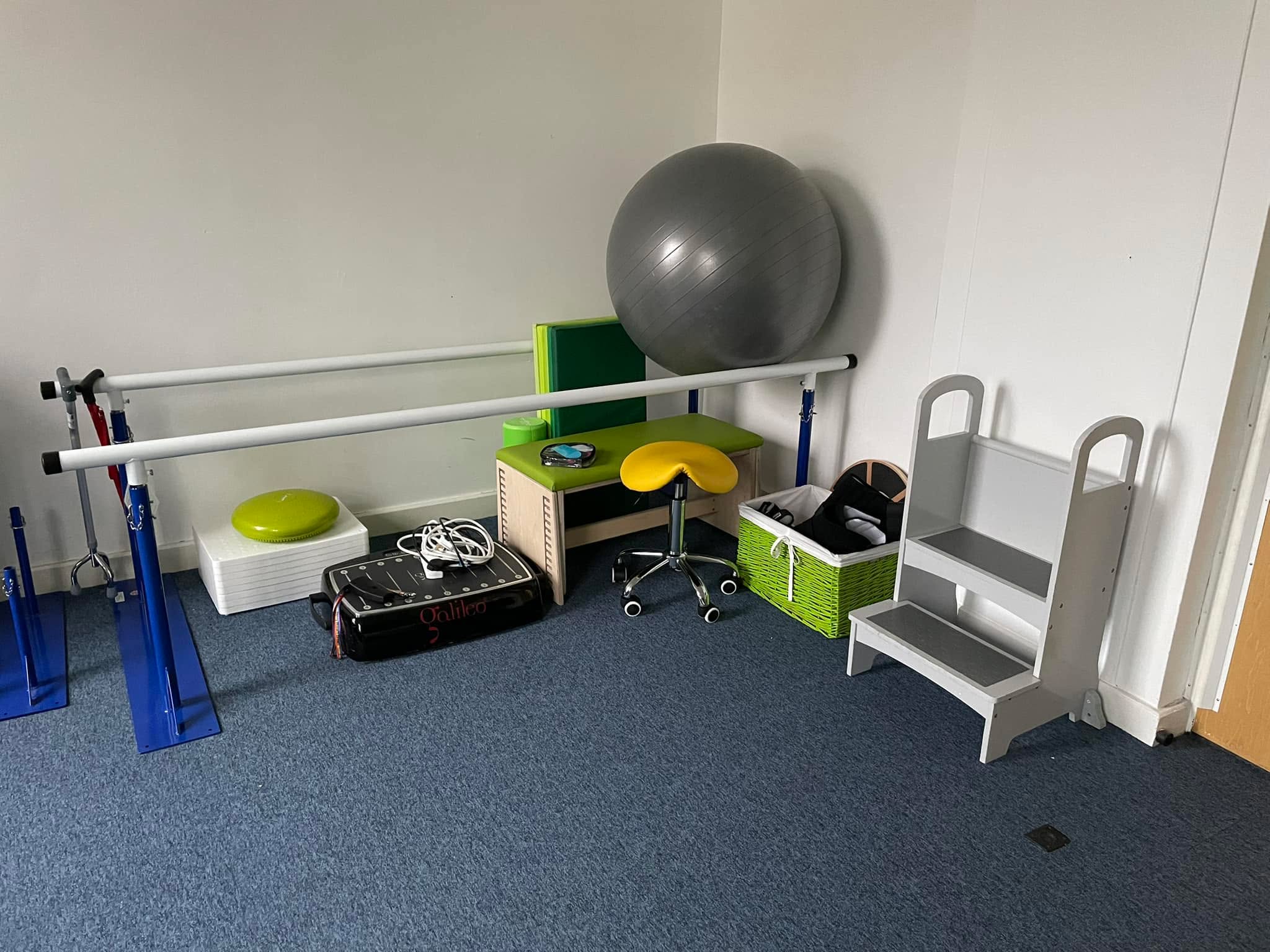
People sometimes ask what "doing physiotherapy" actually means for a boy like me. The honest answer: it's not one thing, it's a whole toolkit, and we never stop. Even in the school holidays I do multiple sessions a week, because as every physio tells me, you have to "strengthen to lengthen" 😂.
Here's what's in our toolkit and why.
Weekly physiotherapy
The foundation of everything: two to four sessions every week with specialist paediatric neurological physiotherapists. My best friend Dee Clarkson at ABC Physiotherapy has been with me since I was 18 months old, plus all the sneaky home physio Mummy disguises as fun (climbing frames, mud kitchens and puppy walks all count 👍🏼).
Intensive courses
A few times a year, usually in the school holidays, I do week-long intensive courses with Midlands Children's Physio in Newark or ABC Physiotherapy closer to home, where I work for hours every day. I've completed a full 2 hours a day for 5 days straight before. Definitely earned my rest day! These courses are where the big breakthroughs tend to happen, and yes, I treat the trips away like holidays (I'm always slightly disappointed when a course is too close to home for an Airbnb 🤣).
CIMT: Constraint Induced Movement Therapy
I did my first CIMT course when I was just 15 months old, and it's why my left hand, Helpy Hand 🖐🏼, works as well as he does. Before CIMT, Helpy Hand spent most of his time in a closed fist. The therapy constrains your stronger arm (I wear a cast on it) so the weaker one has to learn to work. Early intervention really matters. Nearly every photo where I'm using both hands exists because of that course.
DMI: Dynamic Movement Intervention
Lots of fun with big giggles, and lots of new skills. It's an exercise-based therapy that challenges your balance and movement again and again until your brain figures it out.
FES: Functional Electrical Stimulation
Little electrical pulses that help my muscles fire properly while I do exercises or homework or play computer games. We use our own Saebo UK Stim Pro for strengthening work, sometimes in a slower, calmer TASES mode when I'm recovering from something.
Kinesio tape
Mummy cuts up rolls of it for my thumb abduction, wrist extension and arm rotation. We find tape much more practical than bulky hand splints, which got in the way of my fine motor skills. Top tip: we stick to the original Kinesio GB branded tape. I had a rash reaction to a non-branded version.
Whole Body Vibration
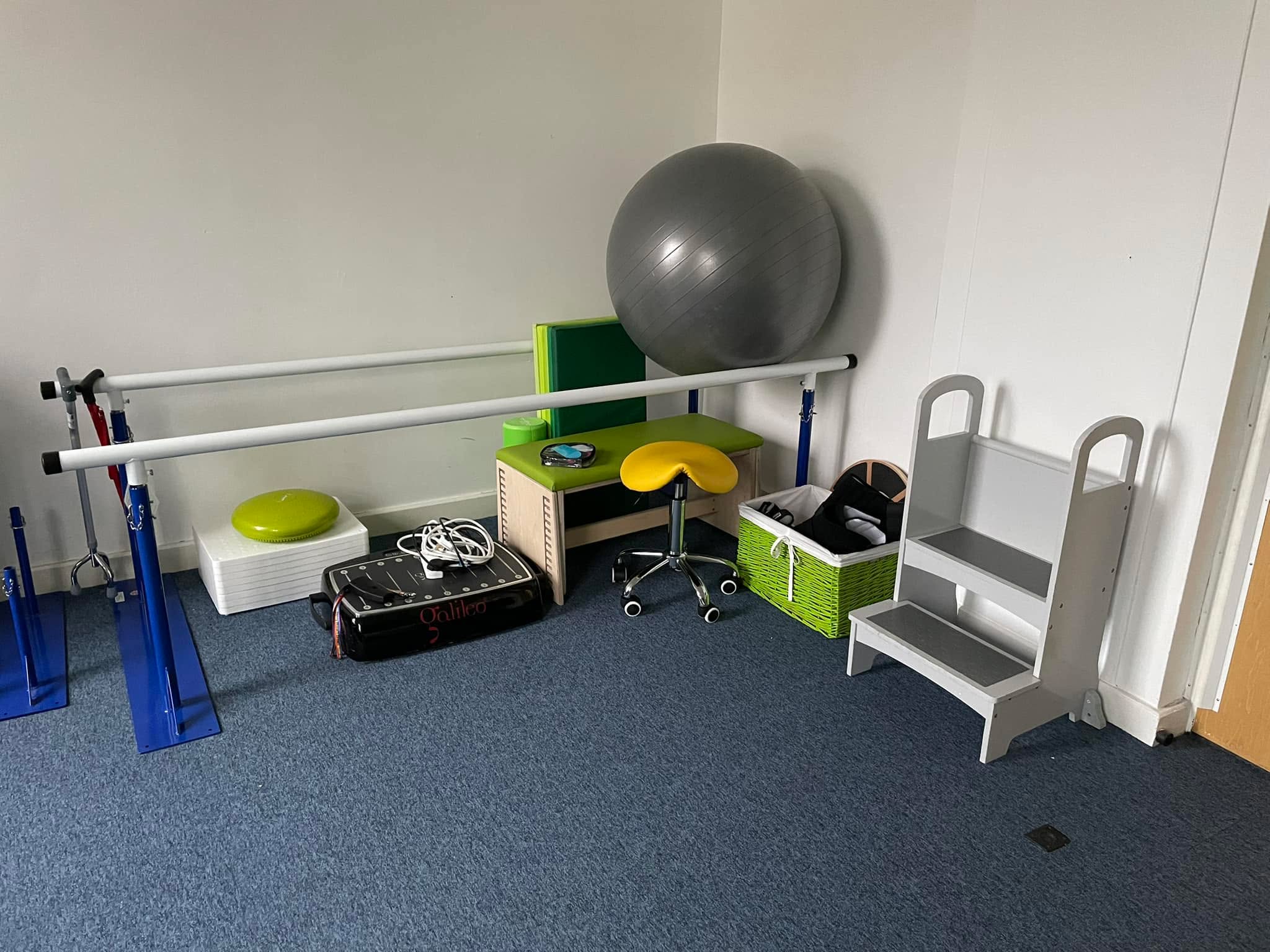
Standing on a vibration plate (Galileo therapy) to wake my muscles up and build bone and muscle strength.
Botox
Every so often I have an operation under general anaesthetic to put Botox in my tightest muscles (hamstrings and my left arm). It temporarily relaxes them for about 12 weeks, which means EVEN MORE physiotherapy while it's working, to stretch and strengthen what it releases. Newer research means we have to limit how often we use it, so we squeeze every drop of value from each round.
The fun ones that don't feel like therapy
- Horse riding (hippotherapy): brilliant for my hips, core and legs. Raising trot is a proper workout 🏋🏼.
- Swimming (hydrotherapy): hard work for me because of my left arm and core, but my favourite kind of hard work.
- Rebound therapy: physiotherapy on a trampoline at Rebound Therapy Hull. So much fun I forget it's exercise.
- Massage: Mummy and Daddy took proper lessons with With Love Baby Massage so they could relax my achy legs before bed after big sessions. Salt baths help too.
The honest bit
Specialist paediatric neuro physiotherapy costs £90–£120 an hour, and intensive courses would simply be out of reach without the fundraising support we receive, even with both Mummy and Daddy working. That's why we're so grateful to everyone on TEAM HENRY. The toolkit only works because of you 💚